
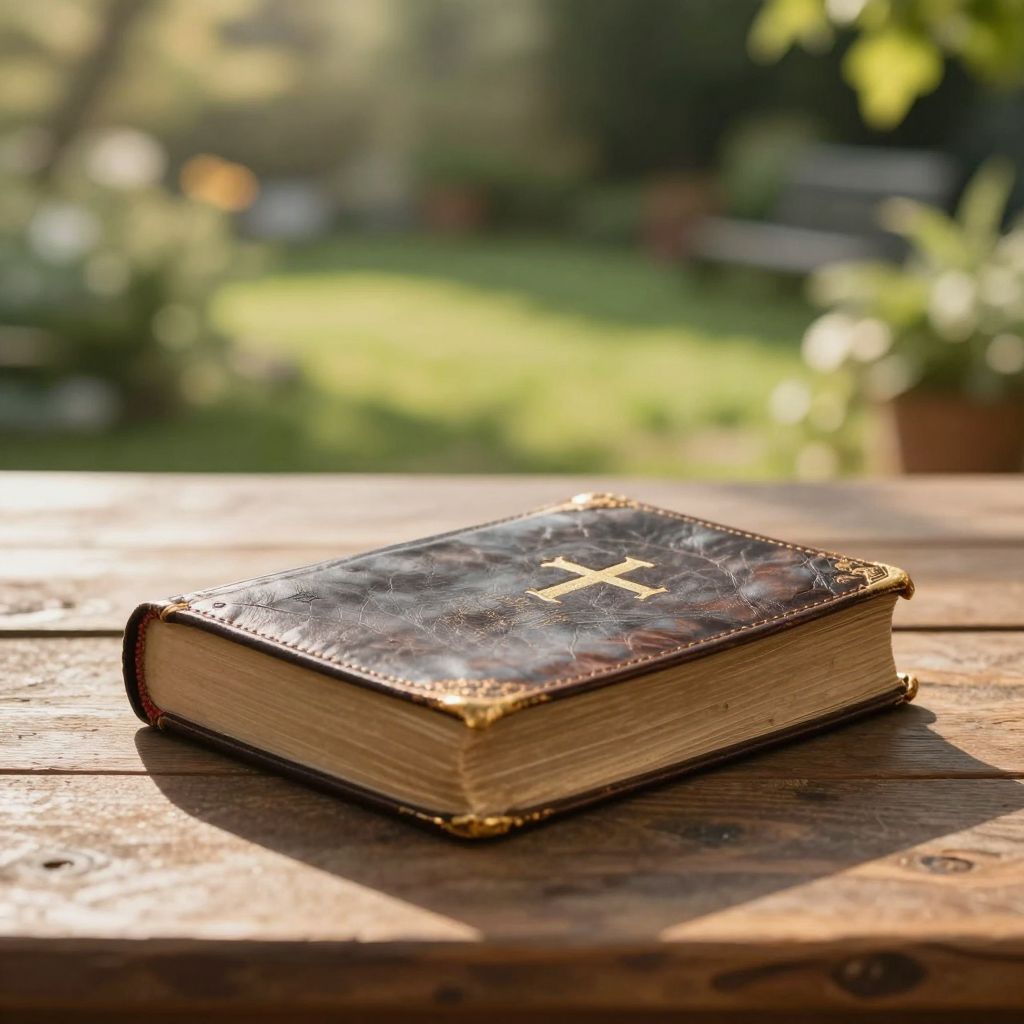
If you have ever walked into a Catholic bookstore or attended Mass, you may have noticed something different about the Bible on the shelf or in the pew. The Catholic Bible contains books that many Protestant Bibles do not include. This difference often raises questions and sometimes confusion. Understanding what Bible Catholics use opens a window into Christian history, the formation of Scripture, and how God’s Word has been preserved across centuries.
The Catholic Bible: An Overview
Catholics use a Bible that contains 73 books in total. This includes 46 books in the Old Testament and 27 books in the New Testament.
Protestant Bibles typically contain 66 books, with 39 in the Old Testament. The difference lies in seven books that Catholics call deuterocanonical and Protestants sometimes call apocryphal.
The Seven Deuterocanonical Books
These seven books hold full canonical status in the Catholic Church. They have been part of Catholic Scripture since the earliest centuries of Christianity.
- Tobit – A story of faith, family, and God’s providence
- Judith – A narrative of courage and divine deliverance
- 1 Maccabees – Historical account of Jewish resistance and faithfulness
- 2 Maccabees – Theological reflection on martyrdom and resurrection
- Wisdom of Solomon – Poetic meditation on wisdom and righteousness
- Sirach (Ecclesiasticus) – Practical wisdom for daily living
- Baruch – Prophetic writing attributed to Jeremiah’s scribe
The Catholic Old Testament also includes additions to the books of Esther and Daniel. These sections appear in the Greek Septuagint but not in the Hebrew Masoretic text.
Why the Difference in Book Count?
The answer lies in history, not in one group adding or another removing books arbitrarily. Both Catholics and Protestants have reasons rooted in their understanding of how the biblical canon formed.
The Septuagint Connection
The Septuagint was the Greek translation of the Hebrew Scriptures completed around 250-100 BC. This translation included the deuterocanonical books and served as the Bible for Greek-speaking Jews and early Christians.
When New Testament authors quoted the Old Testament, they frequently used the Septuagint. Jesus and the apostles lived in a world where this broader collection circulated widely.
The Reformation Shift
During the Protestant Reformation in the 16th century, reformers like Martin Luther questioned the status of the deuterocanonical books. They preferred the shorter Hebrew canon that had been defined by Jewish scholars.
The Council of Trent in 1546 formally affirmed the longer canon for Catholics. This was not an innovation but a reaffirmation of what the Church had accepted for over a thousand years.
Popular Catholic Bible Translations
Catholics read Scripture in many translations approved by the Church. Each translation serves different purposes and audiences.
The New American Bible Revised Edition (NABRE)
The NABRE serves as the primary Bible used in Catholic liturgy in the United States. When you attend Mass in America, the readings come from this translation.
This translation balances readability with accuracy. It includes extensive footnotes and cross-references that help readers understand difficult passages.
The Revised Standard Version Catholic Edition (RSV-CE)
The RSV-CE offers a more formal translation style. Many Catholics appreciate its literary quality and its closeness to the original language structures.
This version works well for study and meditation. Its formal equivalence approach preserves much of the original syntax and word choices.
The Douay-Rheims Bible
This historic translation dates back to the late 16th and early 17th centuries. It served English-speaking Catholics for hundreds of years before modern translations emerged.
Some Catholics still prefer the Douay-Rheims for its traditional language. It carries a weight and dignity that resonates with those who love older English prose.
The Jerusalem Bible and New Jerusalem Bible
Originally translated from French, these editions offer rich literary quality. The Jerusalem Bible notably influenced popular culture through its use in certain liturgical settings.
The New Jerusalem Bible updated the translation while maintaining its distinctive voice. It remains popular among Catholics who appreciate both scholarship and readability.
The Good News Translation Catholic Edition
This translation uses simple, everyday language. It serves readers who want clear, accessible Scripture without complex vocabulary.
New believers and young readers often find this translation helpful. Its simplicity does not diminish its faithfulness to the original texts.
What Makes a Bible “Catholic”?
Have you ever wondered what actually qualifies a Bible as Catholic? The answer involves more than just including extra books.
The Imprimatur and Nihil Obstat
Catholic Bibles carry official Church approval indicated by the imprimatur and nihil obstat. These Latin terms mean “let it be printed” and “nothing hinders,” respectively.
These designations indicate that Church authorities have reviewed the translation. They confirm that the text contains nothing contrary to faith and morals.
Footnotes and Commentary
Catholic Bibles typically include explanatory notes. These notes reflect Catholic theological understanding and help readers interpret difficult passages.
The notes do not replace personal study or the guidance of the Holy Spirit. They serve as one resource among many for understanding God’s Word.
The Deuterocanonical Books: What Do They Teach?
Some readers wonder whether these additional books contain anything spiritually valuable. A brief look at their content reveals rich theological treasure.
Wisdom Literature
The Wisdom of Solomon and Sirach expand the wisdom tradition found in Proverbs and Ecclesiastes. Wisdom 3:1-9 offers profound comfort about the souls of the righteous being in God’s hands.
Sirach provides practical guidance for relationships, speech, and daily conduct. Its teachings align beautifully with the wisdom found throughout Scripture.
Historical Narratives
Tobit and Judith tell stories of faithfulness under pressure. These narratives show God working through ordinary people in extraordinary circumstances.
The Maccabees books record a critical period in Jewish history between the Old and New Testaments. They illuminate the world into which Jesus was born.
Prayers and Prophecy
Baruch contains prayers of confession and hope. The additions to Daniel include beautiful hymns and dramatic narratives of faith.
These texts have shaped Catholic prayer and liturgy for centuries. Many phrases and images from them appear in Church worship.
How Should Christians Approach This Difference?
Does the difference in Bible contents create an unbridgeable divide between Christians? Not necessarily, though it does require humility and understanding.
Common Ground Remains Vast
Catholics and Protestants share 66 books of Scripture in common. This represents an enormous foundation of shared belief and practice.
The core truths of Christianity – the Trinity, the Incarnation, the Resurrection, salvation through Christ – appear throughout the books all Christians accept. Unity exists even amid difference.
Reading with Charity
Christians can study the deuterocanonical books without accepting them as canonical. These texts illuminate the world of Second Temple Judaism regardless of one’s view of their authority.
Likewise, Catholics can appreciate Protestant scholarship on the 66 shared books. Iron sharpens iron, as Proverbs 27:17 reminds us.
Practical Tips for Reading the Catholic Bible
Whether you are Catholic, considering Catholicism, or simply curious, approaching the Catholic Bible well requires some guidance.
Start with the Familiar
Begin with books you know. The Gospels, Psalms, and Epistles read the same in Catholic editions as in Protestant ones.
Build familiarity with the translation before exploring the deuterocanonical books. This creates a foundation for understanding the whole.
Read the Deuterocanonical Books in Context
- Read Tobit as a story of providence and family faithfulness
- Approach Wisdom and Sirach as you would Proverbs
- Study Maccabees as historical background for the New Testament era
- Let Judith inspire courage in the face of overwhelming odds
Use the Footnotes Wisely
Catholic Bible footnotes offer helpful context. They explain historical backgrounds, literary features, and theological connections.
Read the text itself first, then consult the notes. Let Scripture speak before turning to commentary.
The Bible Catholics Use: A Summary
Catholics use a Bible containing 73 books, including seven deuterocanonical books in the Old Testament. This reflects the early Church’s acceptance of the Greek Septuagint canon.
Multiple approved translations serve Catholic readers today. The NABRE dominates liturgical use in America, while the RSV-CE and others serve personal study.
The differences between Catholic and Protestant Bibles stem from historical decisions about the canon. Understanding this history promotes charity and clarity among Christians.
A Call to Engage God’s Word
What will you do with this knowledge? Perhaps you will pick up a Catholic Bible and explore its contents for yourself.
Scripture calls all believers to be people of the Word. As 2 Timothy 3:16-17 teaches, all Scripture is God-breathed and useful for teaching, rebuking, correcting, and training in righteousness.
Read deeply. Study carefully. Let the Holy Spirit illuminate the text as you engage with it. The Bible – whether in 66 books or 73 – points consistently to Jesus Christ, the living Word of God.
Consider committing to read one unfamiliar book of the Bible this month. If you already know the Protestant canon well, perhaps explore one of the deuterocanonical books. If you are new to Scripture entirely, start with the Gospel of John and meet Jesus in its pages.
God speaks through His Word. The question is whether we will listen.
If you enjoyed learning about the Catholic Bible, you may want to continue exploring related topics in Catholic teaching and practice. Understanding the biblical basis for the Eucharist can deepen your appreciation for how Catholics read and apply Scripture. You might also find it valuable to examine what Scripture says about purgatory and how this doctrine connects to passages in both the shared and deuterocanonical books. These topics invite thoughtful reflection and careful study of God’s Word across the Christian tradition.