
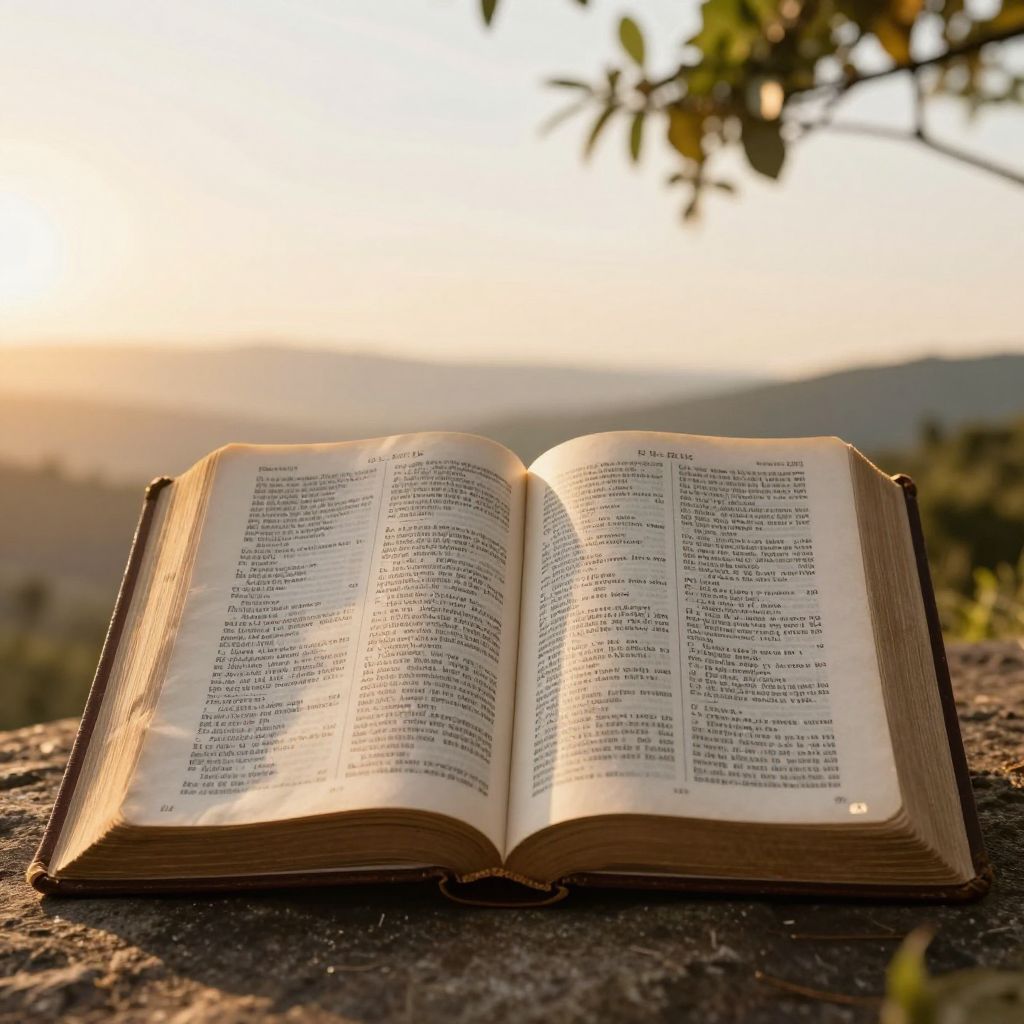
Who is God? It’s the question beneath every other question we ask. The Bible doesn’t leave us guessing—it reveals a God who is personal, powerful, and deeply invested in humanity. From Genesis to Revelation, Scripture paints a portrait of the Creator who speaks, acts, loves, and judges. Understanding who God is in the Bible isn’t academic trivia. It shapes how we pray, how we trust, and how we live. Let’s look at what Scripture actually says about the One who made everything and holds it all together.
God Reveals Himself Through His Names
In the ancient world, names carried meaning. God’s names in the Bible reveal His character, His actions, and His relationship with His people.
Each name shows us a different facet of who He is. When we study these names, we discover a God who meets us exactly where we are.
Yahweh: The Self-Existent One
In Exodus 3:14, God tells Moses, “I AM WHO I AM.” This name—Yahweh—reveals that God exists independently of anything else. He wasn’t created, and He depends on nothing.
This matters because everything else in existence is contingent. You and I exist because something caused us to exist. God simply is.
Elohim: The Creator God
Genesis 1:1 opens with “In the beginning, Elohim created the heavens and the earth.” This name emphasizes God’s power and majesty as Creator. Interestingly, Elohim is plural in form, hinting at the complexity within God’s nature that the New Testament reveals more fully.
Adonai: Lord and Master
When Scripture uses Adonai, it emphasizes God’s authority and our proper response to Him. He is not a distant deity—He is Lord, and that demands something from us.
Recognizing God as Adonai means surrendering our own lordship over our lives. Have you actually done that, or does the title stay theoretical?
Other Names That Reveal His Character
- Jehovah-Jireh (Genesis 22:14) — “The LORD Will Provide”
- Jehovah-Rapha (Exodus 15:26) — “The LORD Who Heals”
- Jehovah-Shalom (Judges 6:24) — “The LORD Is Peace”
- El Shaddai (Genesis 17:1) — “God Almighty”
- Jehovah-Rohi (Psalm 23:1) — “The LORD Is My Shepherd”
These aren’t random labels. They emerged from real encounters between God and real people in real circumstances. The God of the Bible shows up and shows us who He is through action.
God Is One, Yet Three Persons
Here’s where things get wonderfully mysterious. The Bible reveals one God who exists eternally as three distinct persons: Father, Son, and Holy Spirit.
This isn’t a contradiction—it’s a complexity beyond our full comprehension. And honestly, a God we could fully comprehend probably wouldn’t be much of a God.
The Father
God the Father initiates the plan of salvation, creates all things, and sustains the universe by His will. Jesus taught us to pray to “Our Father in heaven” (Matthew 6:9), revealing that this almighty God invites us into intimate relationship.
The Father isn’t a distant clockmaker who wound up the universe and walked away. He is actively involved, deeply caring, and personally accessible through Christ.
The Son
John 1:1 declares, “In the beginning was the Word, and the Word was with God, and the Word was God.” Jesus Christ is fully God and fully human—the perfect revelation of the Father to humanity.
Colossians 1:15 calls Jesus “the image of the invisible God.” Want to know what God is like? Look at Jesus. His compassion, His justice, His love, His anger at sin—that’s God in visible form.
The Holy Spirit
The Holy Spirit isn’t an impersonal force. He is God dwelling within believers, teaching, convicting, comforting, and empowering. Jesus called Him “the Spirit of truth” who would guide His followers into all truth (John 16:13).
The Spirit makes the Christian life possible. Without Him, we’re just trying really hard to be good—which never works for long.
The Attributes of God in Scripture
The Bible describes God’s character through specific attributes. These aren’t abstract qualities—they shape how God acts and how we relate to Him.
Understanding God’s attributes protects us from creating a god of our own imagination. The real God sometimes makes us uncomfortable, and that’s actually the point.
God Is Holy
Isaiah 6:3 records the angels crying, “Holy, holy, holy is the LORD Almighty.” Holiness means God is set apart, morally pure, and completely other. He is not like us—and that’s good news.
God’s holiness explains why sin is so serious. It’s not that God is picky. It’s that anything unholy cannot coexist with perfect holiness without being consumed.
God Is Love
1 John 4:8 states simply, “God is love.” Not that God has love or shows love occasionally—love defines His very nature.
This love isn’t sentimental or permissive. It’s the kind of love that sent Jesus to the cross. It pursues, sacrifices, and transforms.
God Is Just
Psalm 89:14 declares, “Righteousness and justice are the foundation of your throne.” God cannot overlook evil or pretend sin doesn’t matter. His justice demands accountability.
Some people struggle with God’s justice. But consider: would you really want a God who shrugged at evil? Every cry for justice in human history echoes the character of God.
God Is Merciful
Exodus 34:6 reveals God as “compassionate and gracious, slow to anger, abounding in love and faithfulness.” Mercy means God withholds the punishment we deserve.
Justice and mercy meet perfectly at the cross. God doesn’t ignore sin—He pays for it Himself.
God Is Omniscient, Omnipotent, and Omnipresent
- Omniscient: God knows all things (Psalm 139:1-4). No thought escapes Him, no motive is hidden.
- Omnipotent: God possesses all power (Jeremiah 32:17). Nothing is too difficult for Him.
- Omnipresent: God is present everywhere (Psalm 139:7-10). You cannot flee from His presence—and why would you want to?
These attributes should both humble us and comfort us. God sees everything, can do anything, and is always with us.
God Acts in History
The God of the Bible isn’t a philosophical concept. He acts within human history, intervening, speaking, rescuing, and judging.
Scripture records God’s actions from creation through the promised return of Christ. History itself is His story.
Creation
Genesis 1-2 shows God speaking the universe into existence. He creates with intention, order, and delight. Humanity bears His image—a dignity no other creature shares.
Creation reveals God’s power and creativity. Psalm 19:1 says, “The heavens declare the glory of God.” The evidence surrounds us daily.
Redemption
From the fall in Genesis 3 onward, God initiates a rescue plan. He calls Abraham, delivers Israel from Egypt, establishes the Law, sends prophets, and ultimately sends His Son.
Every sacrifice, every prophecy, every covenant points forward to Jesus. The whole Bible tells one story of God redeeming what was lost.
Consummation
Revelation 21:3-4 promises a future where God dwells fully with His people: “He will wipe every tear from their eyes. There will be no more death or mourning or crying or pain.”
God isn’t finished. History moves toward a destination He has already determined. That should change how we face tomorrow.
How Should We Respond to Who God Is?
Knowledge about God means nothing if it stays in our heads. The Bible calls us to respond to who God is with our whole lives.
What does that look like practically? Scripture gives us clear direction.
Worship Him
Psalm 95:6 invites us, “Come, let us bow down in worship, let us kneel before the LORD our Maker.” Worship is the appropriate response to encountering the true God.
Worship isn’t just singing on Sundays. It’s orienting your entire life around who God is and what He deserves.
Trust Him
Proverbs 3:5-6 commands, “Trust in the LORD with all your heart and lean not on your own understanding.” Trusting God means acting on what He says even when circumstances seem to contradict His promises.
Do you actually trust Him with your finances? Your relationships? Your future? That’s where faith gets tested—and proven real.
Obey Him
Jesus said in John 14:15, “If you love me, keep my commands.” Love for God isn’t a feeling we conjure up. It shows itself through obedience.
Obedience flows from trust. When we believe God is good and knows best, following Him becomes less about duty and more about delight. Though, let’s be honest—some days it still feels like duty. That’s okay. Keep obeying anyway.
Share Him
Matthew 28:19-20 commissions believers to “go and make disciples of all nations.” The God we’ve come to know wants to be known by others.
Who in your life needs to hear about who God really is—not a caricature, but the God of Scripture?
Common Misconceptions About God
Many people carry distorted pictures of God that Scripture doesn’t support. Correcting these misconceptions matters because what we believe about God affects everything else.
- God is not a cosmic killjoy. His commands protect and guide—they don’t exist to steal your joy.
- God is not an indifferent observer. He is intimately involved in creation and deeply cares about you.
- God is not an angry deity waiting to punish. His patience toward sinners demonstrates His desire for repentance, not destruction (2 Peter 3:9).
- God is not made in our image. We are made in His. He defines goodness—we don’t define it for Him.
When your picture of God doesn’t match Scripture, Scripture wins. Always.
A God Worth Knowing
The God of the Bible is not a vague spiritual presence or a concept to debate. He is personal, relational, and has made Himself known.
He created you on purpose. He pursues you relentlessly. He offers forgiveness through Jesus and new life through His Spirit.
The question isn’t whether God exists. The question is whether you will respond to the God who has revealed Himself in Scripture.
Start today. Open your Bible. Ask the Holy Spirit to show you who God really is. And when you see Him more clearly, let that vision reshape how you live, how you pray, and how you love.
Because knowing who God is changes everything.
If this article encouraged you, we invite you to explore more faith-based topics on our site. You might find it helpful to learn about experiencing God’s presence in your daily life, or to examine what Scripture teaches about false idols that compete for our worship today. Keep digging into God’s Word—the more you search, the more you’ll find a God worth knowing and following for a lifetime.